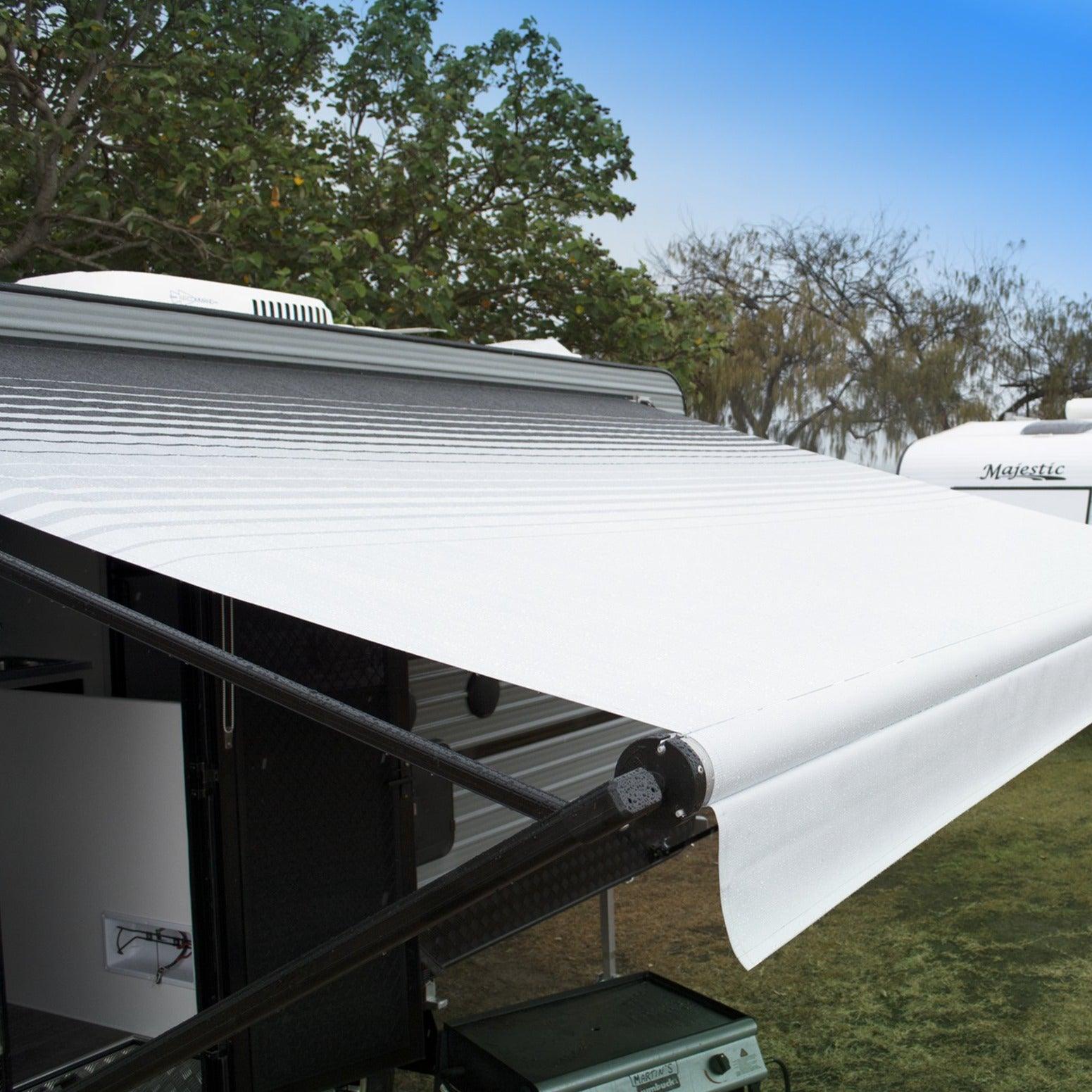


There is a moment every seasoned caravanner knows well. You arrive at a campsite after a long drive, the kids pile out, and within minutes the dirt from outside is tracking straight into your annexe. Add a bit of WA red dust or that damp morning dew on the grass, and you have got a muddy, slippery mess underfoot before you have even put the kettle on.
The right caravan floor matting changes all of that. It creates a proper transition zone between the outdoors and your living space, keeps your annexe floors cleaner for longer, and makes the whole camp feel more like home and less like a disaster waiting to happen. Quality outdoor matting for your caravan is not a luxury — it is one of those small investments that pays for itself on the very first trip.
This guide covers everything you need to choose the right mat for your annexe, your campsite surface, and your travel style. Whether you are heading to a managed caravan park on the WA coast or setting up off-grid in the Pilbara, there is a matting solution that suits your setup.
Why Caravan Floor Matting Matters
Most caravanners invest heavily in their van, their caravan annexes, and their accessories. Floor matting is often the afterthought — until the first trip when everyone tracks in gravel and the annexe floor looks like a construction site.
Good caravan floor matting serves three distinct purposes, and all three matter.
Cleanliness. Your annexe mat acts as a buffer zone — a dedicated space where people pause, shake off their thongs, and wipe their feet before stepping inside. That single habit, reinforced by having a defined mat area, dramatically reduces the amount of dirt, grass, and sand that ends up inside your van.
Comfort underfoot. Standing on bare gravel or lumpy ground for extended periods is genuinely tiring. A quality annexe mat gives you a softer, more even surface underfoot — one that is far more pleasant for early morning coffees, evening meals, and general lounging around camp.
Ground protection. This one matters more than most people realise. Many managed caravan parks and camping grounds across Australia have policies requiring breathable groundcover matting — specifically because solid, non-breathable mats kill the grass underneath. The right mat allows moisture and air to circulate freely through its construction, keeping the grass alive beneath and leaving the campsite in good condition for the next visitor. It is the responsible, considerate choice for any caravanner who cares about the places they visit.
Types of Caravan Matting: What to Look For
Walk into any outdoor store and you will find everything from cheap woven plastic mats to premium purpose-built annexe matting. Not all of it is created equal. Here is what to look for when choosing outdoor matting for your caravan.
Breathability is the non-negotiable feature. A breathable mat allows moisture and air to pass through to the ground below. This protects the grass, prevents mould from forming on the underside of your mat, and keeps the campsite in the condition you found it. Non-breathable mats — tarps, solid rubber, or dense foam — are increasingly banned at managed parks for exactly this reason.
UV stabilisation matters enormously in Australia. Our sun is brutal, and cheaper matting that lacks UV protection will fade, crack, and degrade rapidly. A UV-stabilised mat holds its colour and structural integrity across seasons of outdoor exposure — a must for anyone using their caravan mat Australia-wide, from the tropical north to the dry south.
Rot-proof construction means your mat can get wet — repeatedly — without deteriorating. Australian conditions throw everything at your gear: sudden storms, heavy dew, wet grass mornings. A rot-proof mat will dry out and return to full function trip after trip.
Hemmed, reinforced edges are a mark of quality construction. Without hemming, the edges of a mat fray quickly under foot traffic, pegging tension, and the general wear of being rolled and unrolled repeatedly. Look for double-stitched or otherwise reinforced perimeters.
Pegging eyelets are essential if you are camping in anything more than a light breeze. Eyelets spaced around the perimeter of the mat allow you to peg it securely to the ground, preventing it from lifting, shifting, or becoming a trip hazard. In coastal WA where an afternoon sea breeze can arrive with very little warning, this is not optional.
Weight and packability matter on the road. A mat that weighs 4–5 kg and rolls into a compact storage bag is one you will actually take on every trip. Cumbersome, heavy matting tends to get left at home — which defeats the purpose entirely.
Choosing the Right Size for Your Caravan Annexe
Getting the size right is arguably the most important decision. Too small and the mat fails to do its job; too large and it becomes unwieldy to manage, hard to peg out, and likely to flap in the wind.
The width of most annexe mats on the Australian market is standardised at 2.5m — which suits the majority of caravan annexe openings. The key variable is the length, which should match (or closely match) the depth of your annexe.
Here is a practical guide to the available sizes:
3.0m x 2.5m — The entry-level size, suitable for compact annexes, pop-top caravans, and smaller setups where you want a defined entry zone without full annexe coverage. At 2.5kg, it is the lightest and most packable option.
4.5m x 2.5m — A versatile mid-size option that works well for medium annexes. At 3.6kg, it is still highly manageable and suits the most common annexe configurations found on 18–20ft vans.
5.0m x 2.5m — A popular choice for larger annexes and full-length awning setups. At 3.9kg, the small weight increase over the 4.5m is barely noticeable, but the extra length makes a meaningful difference in coverage underfoot.
6.0m x 2.5m — The premium coverage option for long annexes, large family setups, or anyone who wants to extend the mat out beyond the annexe opening to create an outdoor living zone. At 4.5kg, it remains eminently portable.
A practical tip: measure your annexe depth before purchasing. Stand inside your annexe and measure from the van wall to the outer edge of the annexe drop. Add 20–30cm for a relaxed overlap, and choose the mat size that sits closest to (but does not exceed) that measurement.
If your caravan awnings extend beyond the annexe itself, consider whether you want to mat that area separately or choose the next size up to get full coverage in one piece.
Campsite Surfaces: Which Mat Works Where?
One of the great advantages of quality caravan annex floor matting is its versatility across different ground surfaces. The right mat does not care whether you are parked on lush grass at a coastal caravan park or setting up on compacted red dirt in outback WA.
Grass is the surface where breathability matters most. Caravan parks from Perth to Broome are increasingly strict about groundcover policies, and for good reason — a non-breathable mat sitting on grass for five days in summer is enough to kill it. A properly breathable annexe mat allows light, air, and moisture to continue circulating, keeping the grass alive underneath. When you pack up and leave, it looks like you were never there.
Gravel and compacted dirt are common at free camps, rest areas, and many regional caravan parks. On these surfaces, the mat provides a stable, comfortable walking zone and helps prevent loose stones from being tracked into your van. The non-slip properties become especially valuable here — gravel under a mat that shifts underfoot is a genuine hazard.
Sand is its own challenge. Fine beach sand works its way into everything, and annexe matting is no exception. Choose a mat you can easily shake out, and opt for one with a tighter weave if you spend significant time at coastal sites. The good news is that breathable matting on sand allows moisture to drain freely, so the mat dries fast after a beach day.
Pavement and hardstand sites are becoming more common at powered caravan parks. A mat on hardstand still delivers real value — it defines your living zone, provides cushioning underfoot, and reduces the amount of grit tracked into your van from the surrounding area.
Setting Up Your Annexe Mat: Tips for a Clean, Safe Camp
Getting your mat down properly takes five minutes and makes the rest of your stay considerably more comfortable.
Unroll the mat with the length running parallel to the van so the full annexe depth is covered. Position one short edge close to (but not overlapping) the van's skirting for a clean threshold.
Walk the mat out flat and check for folds or creases. On uneven ground, shift it around until it lies as level as possible — a ridge underfoot is a trip hazard.
Drive pegs through the eyelets at a 45-degree angle away from the mat for maximum holding strength. On harder ground, use a mallet. On windy sites, peg every eyelet rather than alternating — two minutes of effort that is well worth it when the afternoon sea breeze hits.
Caring for Your Caravan Floor Mat
Quality outdoor matting for caravan use is built to last — but like all gear, it rewards a bit of care with years of reliable service.
After each trip: Give the mat a good shake before rolling it. Most of the dirt, grass clippings, and debris will fall away easily when the mat is lifted and shaken vigorously at both ends. Shake it lengthways and then widthways to dislodge anything caught in the weave.
For light soiling: A hose-down is all you need. Lay the mat flat, run the hose over it, and give it a brush with a soft broom if required. The breathable construction means water passes straight through, so it drains fast.
For heavier soiling: Mix a mild detergent in a bucket of water and scrub the affected area with a soft brush. Avoid harsh chemicals and bleach, which can degrade the fibres and reduce UV stabilisation effectiveness over time.
Drying is critical. Never roll your mat away while it is still damp. Roll it out flat in the sun (or prop it at an angle to allow airflow) until it is completely dry before storing. Storing a damp mat invites mould, odour, and premature degradation — even in rot-proof fabric. The UV stabilisation means you can dry it in direct sun without concern.
Storage: The included storage bag keeps the mat clean and compact during transit. Roll from one end tightly and consistently to get a firm roll that slides easily into the bag. Store in a dry location — your storage bay, rear boot, or garage — clear of any sharp edges that could catch on the fabric.
A well-maintained caravan mat can deliver many seasons of reliable use, making it one of the best value-per-trip accessories in your kit.
Can I Use Caravan Matting at Home?
Absolutely — and many Wilfords customers do exactly this. Annexe matting is equally at home on a back patio, a deck, or in a garage workshop as it is at a campsite.
On a patio or entertaining area, the mat defines your outdoor living zone, provides a softer surface underfoot, and gives the space a more finished look. The UV-stabilised construction holds up perfectly in full sun, and the breathable design means water passes straight through rather than pooling.
On a deck, the mat protects the timber from furniture legs and heavy foot traffic — far easier and more affordable than refinishing the deck. If you host outdoor gatherings, a 6.0m mat creates a generous entertaining zone that keeps grass from being worn to dirt under foot traffic.
Frequently Asked Questions
Will breathable matting still protect the grass underneath?
Yes. Breathable matting is specifically designed to protect grass by allowing air, moisture, and light to continue circulating. This is precisely why managed caravan parks require breathable groundcover — it keeps the grass healthy across thousands of visitor stays each year. Non-breathable alternatives like tarps actively harm grass by blocking everything the roots need to survive. For more answers to common caravan questions, visit our frequently asked questions page.
How do I know if my annexe mat is the right size?
Measure your annexe depth from the van wall to the outer annexe edge. Choose a mat length that matches or slightly exceeds this measurement. Most annexes suit the 4.5m or 5.0m options; shorter annexes or compact pop-tops are well served by the 3.0m size; larger family setups typically suit the 6.0m.
Can I leave the mat out in heavy rain?
Yes. The rot-proof, breathable construction handles rain with no problems — water passes straight through rather than pooling on the surface. However, we recommend rolling the mat away and allowing it to dry fully before storing after any extended wet weather, to keep the storage bag dry and prevent any moisture sitting in the roll during transit.
Is caravan annex floor matting suitable for use near campfires?
Keep the mat clear of open fire pits and campfire rings. Embers or direct heat contact can damage the fabric. Position your mat to define the annexe entry and living zone, with the fire area on bare ground at a safe distance.
Shop Caravan Floor Matting at Wilfords
At Wilfords, we have been equipping Western Australian caravanners with quality accessories since 1979. From our base in Maddington, we serve caravan enthusiasts right across Perth, regional WA, and Australia-wide through our online store. Over four decades, we have earned a reputation as the specialists you can trust — people who know their products because they understand the conditions you are travelling in.
The Aussie Traveller Annexe Floor Matting range is a genuine standout in our Caravan Mats & Flooring collection — UV-stabilised, rot-proof, breathable, and built to handle the full range of Australian campsite conditions from the Kimberley coast to the Great Ocean Road.
Browse the full range and choose the size that suits your setup at the Caravan Floor Matting product page. If you have questions about sizing, compatibility with your annexe, or anything else in our range, our team is always happy to help — get in touch with us here and we will point you in the right direction.